
What Makes a Fiber Optic Cable Installation Reliable?
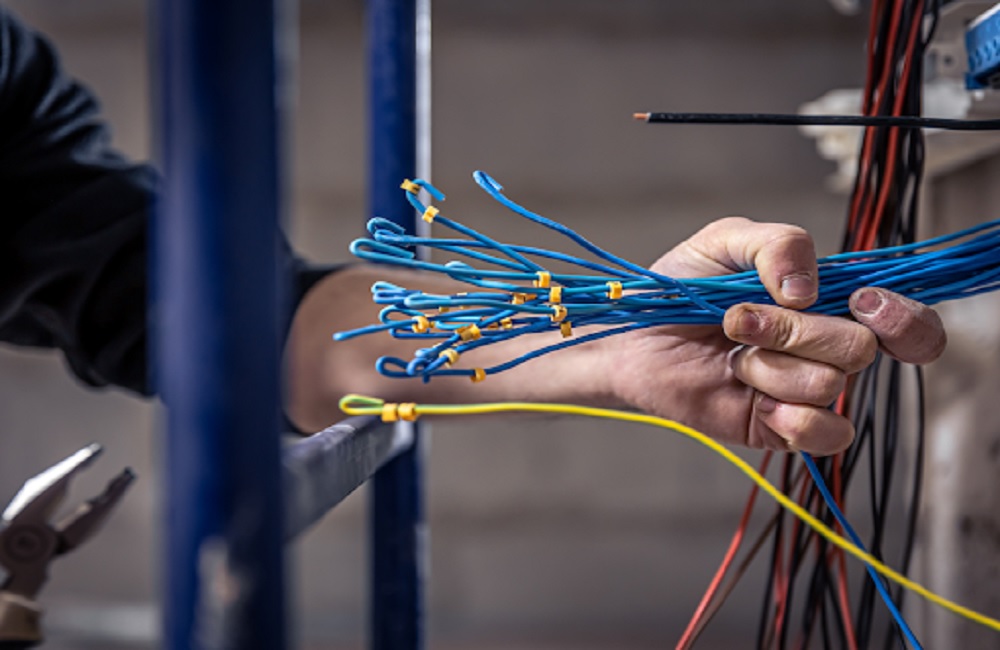
A reliable fiber optic cable installation depends on more than selecting high-quality cable. Proper planning, pathway design, careful handling, accurate termination, thorough testing, and clear documentation all affect how well a commercial fiber network performs over time.
When you handle these elements correctly, your network can deliver consistent connectivity and a well-organized infrastructure that is easier to maintain. A properly planned installation also gives your business a solid foundation for future network needs. Wiredoptics provides professional fiber optic installation services designed to support dependable commercial network infrastructure.
What Makes Fiber Optic Cable Installation Reliable?
A dependable installation starts before the first cable is pulled.
Your building, network requirements, cable type, pathway, equipment locations, and future needs should all be considered during planning. A poorly planned route can create unnecessary bends, difficult maintenance access, or problems when additional infrastructure is needed later.
The Fiber Optic Association notes that fiber projects differ by application, environment, routing, and installation method, so installation guidance needs to be applied to the specific project rather than treated as a one-size-fits-all procedure.
For a commercial property, reliable installation typically depends on six areas:
- Site and network assessment
- Correct cable and pathway selection
- Proper cable handling and routing
- Quality termination and splicing
- Testing and verification
- Documentation and future serviceability
When these elements are handled together, the finished fiber infrastructure is easier to use, troubleshoot, maintain, and extend.
Why Does Planning Matter Before Fiber Installation?
A site assessment gives you a clearer picture of what the installation actually requires.
The installation team needs to understand where network equipment is located, how far the fiber must travel, which pathways are available, and whether existing infrastructure can be reused. Building access, ceiling spaces, risers, conduit, cable trays, network rooms, and other site conditions can all affect the installation plan.
Planning should also account for the type of network being connected.
For example, a fiber backbone between two network rooms may have different requirements from a connection serving another building or a long pathway through a warehouse. The right approach depends on the property’s layout and the purpose of the fiber link.
A proper site assessment can also identify potential obstacles before installation begins, reducing the chance of having to change cable routes after work is underway.
How Does Cable Selection Affect Installation Reliability?
Not every fiber cable is suitable for every application.
The appropriate choice depends on factors such as:
- Indoor or outdoor installation
- Required transmission distance
- Network equipment
- Single-mode or multimode requirements
- Physical environment
- Pathway conditions
- Mechanical protection requirements
- Project specifications
Cable construction also matters. A cable intended for an indoor pathway may not be appropriate for an outdoor application, while a demanding environment may require additional protection.
Your installer should confirm cable specifications against the intended application rather than selecting cable based only on price or availability.
This is particularly important for commercial projects where replacing an unsuitable cable can involve additional labor, access work, equipment changes, and disruption to business operations.
Why Are Cable Routing and Handling So Important?
Fiber is designed to carry data as light, but the cable still requires careful physical handling.
Excessive pulling force, sharp bends, crushing, poor support, or improper storage can affect the cable and its performance. For that reason, the installation process should follow the cable manufacturer’s requirements for pulling tension, bend radius, and handling.
Pathway design matters too.
A well-planned route should provide appropriate support and avoid unnecessary stress on the cable. It should also leave reasonable access for inspection and future work.
Common routing considerations include:
- Maintaining the manufacturer’s minimum bend radius
- Avoiding excessive pulling tension
- Protecting cable from physical damage
- Keeping pathways organized
- Providing appropriate support
- Separating communications infrastructure where required
- Avoiding unnecessary route changes
- Allowing practical access for future maintenance
These details may not be visible once an installation is complete, but they can have a significant effect on long-term reliability.
What Role Do Termination and Splicing Play?
Even a properly routed fiber cable can perform poorly if its connections are not completed correctly.
Fiber termination and splicing require precision. Connector cleanliness, alignment, preparation, and workmanship can all affect optical performance.
Fusion splicing is commonly used when fibers need to be joined with a permanent connection. The finished work should then be tested to confirm that the connection performs as expected.
Contamination is another concern. Fiber connectors and adapters should be handled carefully and inspected and cleaned using appropriate procedures before connection.
The Fiber Optic Association maintains specific guidance covering installed fiber testing, OTDR testing, and inspection and cleaning of fiber optic connectors.
Why Is Testing Essential After Installation?
A fiber installation should not be considered complete simply because the cable has been routed and connected.
Testing provides evidence that the installed fiber plant is performing within the requirements established for the project.
Depending on the installation, testing may include measurements such as insertion loss and OTDR testing. The appropriate testing method depends on the fiber system and project requirements.
The FOA’s installation and testing standards specifically address testing installed fiber optic cable plants and include references to recognized industry standards.
Testing can help identify problems such as:
- Excessive loss
- Poor splices
- Damaged cable
- Connector problems
- Unexpected events along the fiber path
- Installation defects
For your business, this matters because a network that passes a visual inspection is not necessarily a network that has been properly verified.
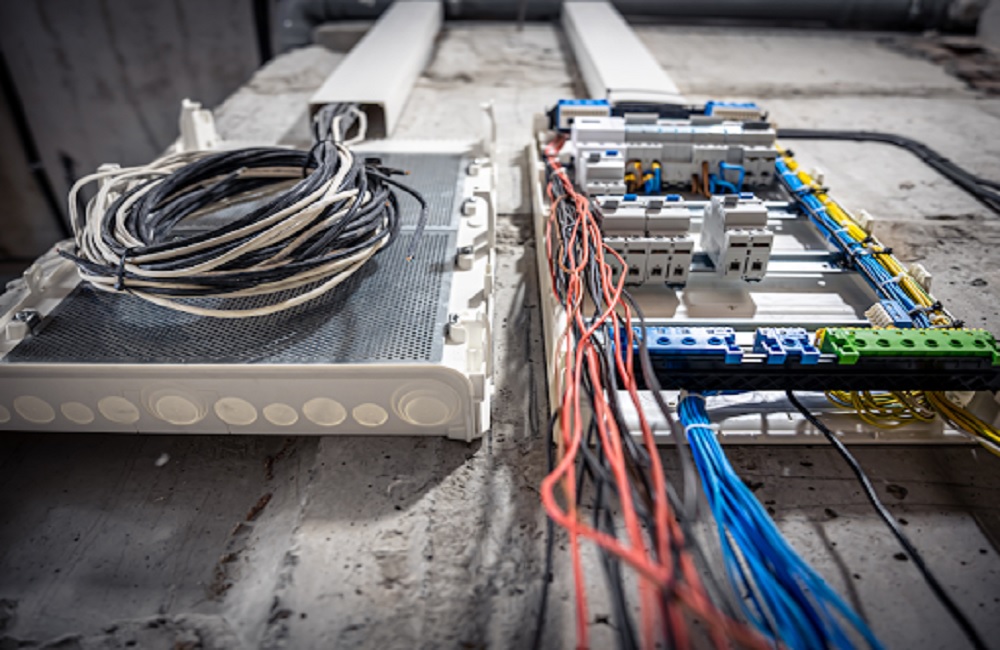
Why Should Fiber Installations Be Documented?
Documentation is often overlooked once the physical installation is complete.
However, accurate records can make future troubleshooting and changes much easier.
A useful documentation package may identify:
- Cable routes
- Fiber identifiers
- Termination points
- Network-room locations
- Patch-panel positions
- Splice locations
- Test results
- Equipment connections
- Relevant project information
Clear labeling is equally important.
If a technician needs to trace a connection months or years after installation, organized labels and documentation can reduce confusion and unnecessary disruption.
The FOA also notes that testing standards should address the documentation needed to validate test records.
What Are Common Fiber Optic Cable Installation Mistakes?
Even small installation mistakes can create avoidable problems.
Common examples include:
Ignoring bend-radius requirements
Tight bends can place stress on the fiber. Installation should follow the cable manufacturer’s specified bend-radius requirements.
Pulling the cable too aggressively
Excessive pulling force can damage the cable. Proper pulling methods and equipment should be used for the installation.
Poor pathway planning
A difficult or overcrowded route can make installation and future maintenance harder.
Skipping testing
A completed cable run should be tested rather than assumed to be functional.
Leaving cables poorly labeled
Unclear identification creates unnecessary work when connections need to be traced later.
Treating every project the same
An office, warehouse, healthcare facility, and multi-building commercial property can have very different infrastructure requirements.
When Should You Hire a Fiber Optic Cable Installation Company?
Professional installation can be especially valuable when your project involves multiple network rooms, long cable runs, complex pathways, fiber splicing, existing infrastructure, or coordination with other contractors.
A professional team can assess the site, plan cable routes, install the fiber, complete terminations or splicing, test the system, and document the finished infrastructure.
If you are searching for fiber optic cable installation companies near me, look beyond whether a contractor offers fiber installation. Ask how the company handles site assessment, pathway planning, testing, documentation, and coordination with your existing network.
These details can tell you much more about the quality of the finished installation.
Frequently Asked Questions
What should be checked after fiber optic cable installation?
The completed installation should be inspected and tested according to the project requirements. Testing may include insertion-loss measurements and OTDR testing, depending on the system and applicable standards.
How long does fiber optic cable installation take?
There is no standard installation time for every project. The schedule depends on factors such as cable length, number of runs, pathway access, building size, installation conditions, splicing requirements, and coordination with other work.
Can fiber optic cable use an existing conduit?
It may be possible when the existing conduit is suitable and has adequate space and appropriate pathway conditions. The conduit should be assessed before installation rather than assuming an existing pathway can accommodate new fiber.
How do you find reliable fiber optic cable installation companies near me?
Look for a commercial installer that can explain its planning, installation, testing, and documentation process. Reviewing relevant project experience and asking what testing and handover documentation will be provided can also help you compare providers.
Build a More Reliable Fiber Network
A reliable fiber optic cable installation depends on careful work at every stage, from the initial site assessment to final testing and documentation. The finished infrastructure should be organized, tested, accessible, and suited to your building and network requirements.
For commercial fiber optic, structured cabling, and network infrastructure projects in Nashville and across Tennessee and Kentucky, Wiredoptics provides professional planning, installation, testing, and documentation for business network environments.
If you are comparing fiber optic cable installation companies near me, contact the team to discuss your project requirements and determine the right approach for your commercial property.