
Security Camera Installation Tips for a Reliable System
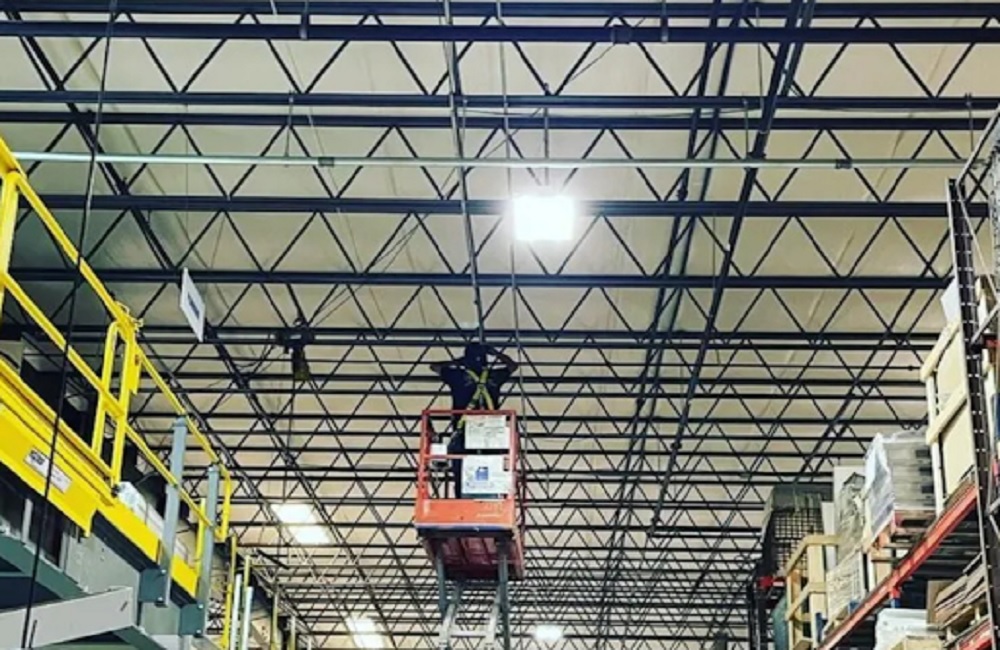
A properly installed security camera system helps protect your property, monitor important areas, and provide reliable footage when it matters most. From selecting the right cameras to planning placement, wiring, and network connections, professional installation plays an important role in system performance.
Whether you need surveillance for a home, office, warehouse, or commercial facility, a well-designed system can help you maintain better visibility and confidence in your security setup. A professional security camera installation ensures cameras are positioned correctly, configured properly, and connected in a way that supports consistent performance.
With advancements in surveillance technology, modern security camera systems offer more than basic video recording. Features such as remote monitoring, high-resolution footage, motion detection, and smart integrations allow property owners to stay connected and informed. However, these features only perform as intended when the system is carefully planned and installed.
For businesses and property owners in Nashville, working with an experienced provider can help create a reliable surveillance solution that supports long-term security needs while reducing common installation challenges.
Why Proper Security Camera Installation Matters
Installing security cameras involves more than mounting devices on walls and connecting cables. A reliable surveillance system requires careful planning, technical knowledge, and an understanding of how different environments affect camera performance.
A poorly installed system may leave important areas uncovered or prevent cameras from capturing useful footage when needed.
Common installation issues include:
- Blind spots around your property
- Poor image quality
- Weak network connections
- Incorrect camera angles
- Limited nighttime visibility
- Improper storage configuration
- Unstable remote access
For example, a camera installed too high may capture general movement but fail to provide clear identification details. Similarly, a camera facing direct sunlight may produce unclear footage due to glare.
A professional approach ensures cameras are positioned where they provide meaningful coverage while maintaining reliable performance.
For businesses in Nashville, security cameras are often part of a larger protection strategy. Offices, retail spaces, warehouses, and commercial facilities rely on surveillance systems to monitor activity, protect assets, improve safety, and support daily operations.
Start With the Right Security Camera System
Before installation begins, selecting the right type of camera is essential. Different properties require different solutions based on size, layout, lighting conditions, security goals, and existing technology.
A security professional can help determine which system works best based on the property’s specific requirements.
Wired Security Cameras
Wired cameras provide a stable connection through network cables or dedicated wiring. They are commonly used for businesses and larger properties where consistent performance is important.
Benefits include:
- Consistent video transmission
- Reliable power connection
- Better support for multiple cameras
- Reduced connection interruptions
- Long-term system reliability
Commercial properties often choose wired systems because they can support multiple cameras across larger areas. Warehouses, office buildings, and retail locations frequently benefit from the stability of a properly installed wired setup.
Wireless Security Cameras
Wireless security cameras offer more flexible placement options and can be easier to install in locations where running cables is difficult.
They are commonly used for:
- Homes
- Small offices
- Temporary monitoring needs
- Areas where cable installation is limited
However, wireless systems still require strong network coverage to maintain dependable video connections. A weak signal can result in delayed footage, connection drops, or unreliable remote viewing.
Proper network planning is still important even when cameras operate wirelessly.
IP Security Cameras
IP cameras connect through a network and provide high-resolution video with advanced features. Many modern commercial systems use IP technology because it supports remote viewing, improved image quality, and integration with other security solutions.
IP camera systems can support features such as:
- Remote monitoring
- High-definition video
- Network-based storage
- Multiple user access
- Integration with other business systems
Choosing the right camera type before installation helps ensure the system meets your current needs while allowing room for future upgrades.
Plan Camera Placement Before Installation
One of the biggest factors affecting security camera performance is placement.
A camera installed in the wrong location may capture activity but fail to provide useful details. Proper placement requires considering viewing angles, lighting conditions, camera range, and areas that require the most protection.
Before installation, consider these important locations:
Entry and Exit Points
Doors, gates, and parking entrances are common areas that require monitoring. These locations provide valuable footage of people entering or leaving a property.
For businesses, entrances are especially important because they help monitor customer traffic, employee access, and deliveries.
High-Traffic Areas
Hallways, reception areas, loading zones, and common spaces often benefit from surveillance coverage.
Placing cameras in these areas helps provide better visibility into daily activity and allows property owners to monitor important movements.
Vulnerable Locations
Areas with valuable equipment, inventory, or limited visibility should receive additional attention.
Examples include:
- Storage rooms
- Server rooms
- Parking areas
- Equipment zones
- Cash handling areas
A professional installer evaluates the property layout and determines the best locations based on camera range, lighting, and viewing angles.
Indoor vs. Outdoor Installation
Different environments require different installation approaches. Choosing the right equipment and placement method helps ensure cameras continue working effectively.
Indoor Camera Installation
Indoor cameras are commonly used for:
- Offices
- Retail spaces
- Warehouses
- Residential areas
- Reception areas
They help monitor activity inside the property and provide visibility into important areas.
Indoor installations often focus on capturing movement, protecting valuable spaces, and improving awareness of daily operations.
Outdoor Camera Installation
Outdoor systems must handle changing weather conditions while maintaining image quality.
Important considerations include:
- Weather-resistant equipment
- Proper mounting locations
- Night vision capability
- Protection from tampering
- Clear viewing angles
For Nashville properties, outdoor cameras should be selected and installed with changing weather conditions in mind. Proper placement also helps reduce exposure to damage while maintaining effective coverage.
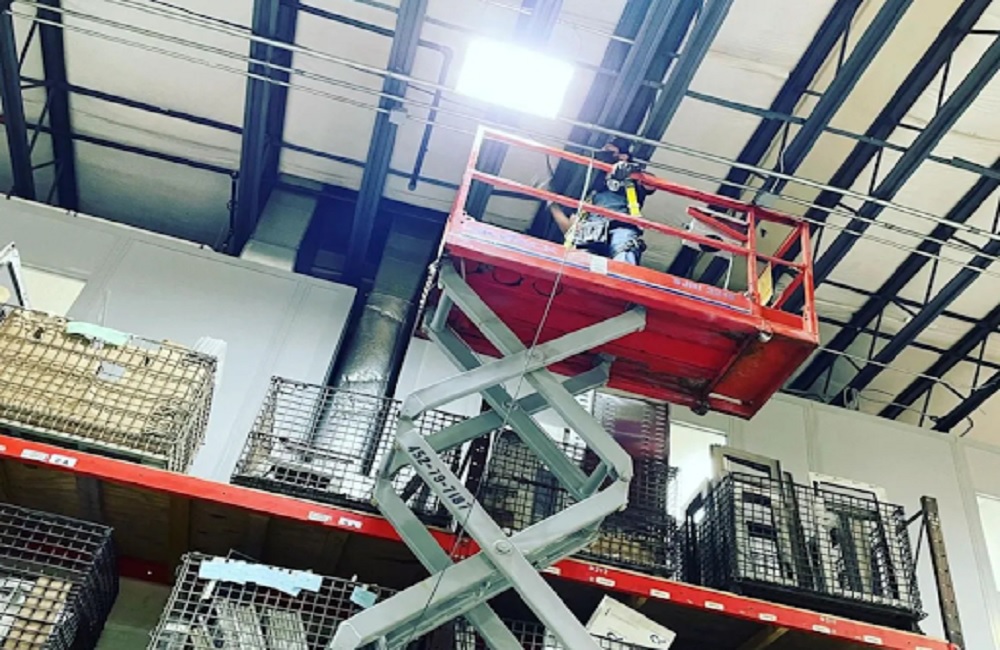
Professional Installation Helps Avoid Common Problems
Many property owners consider installing cameras themselves. While DIY systems may work for basic setups, professional installation provides advantages when reliability and long-term performance are important.
Common DIY installation issues include:
- Cameras pointed at the wrong angles
- Weak Wi-Fi connections
- Poor cable management
- Incorrect storage settings
- Missing coverage areas
- Difficulty connecting multiple devices
Professional installers understand how to configure cameras, networks, and recording equipment so the system works properly after installation.
They can also identify potential issues before installation begins, such as:
- Limited network capacity
- Poor camera locations
- Power requirements
- Future expansion needs
This planning helps create a surveillance system that supports your property instead of creating ongoing maintenance challenges.
Business Surveillance Solutions in Nashville
Businesses often require more advanced surveillance solutions than residential properties. Commercial facilities have different security needs depending on their layout, operations, and the areas that require monitoring.
A business surveillance system may include:
- Multiple camera locations
- Network video recorders (NVRs)
- Remote monitoring access
- Integration with existing technology
- Coverage for employees, customers, and inventory
For example, a Nashville warehouse may need cameras positioned around loading docks, storage areas, and entrances to monitor activity and protect valuable assets. A retail business may prioritize checkout areas, customer spaces, and inventory protection to improve visibility throughout the property.
A properly planned system provides clearer visibility and helps business owners make informed decisions about security. Commercial surveillance solutions can also support daily operations by helping businesses review incidents, monitor activity patterns, and maintain safer environments for employees and visitors.
Protect Your Security System With Proper Network Setup
Modern security cameras rely heavily on network connectivity. A camera system is only as reliable as the infrastructure supporting it.
Important considerations include:
- Strong network connections
- Secure passwords
- Updated firmware
- Proper bandwidth planning
- Protected remote access
As more surveillance systems connect to business and home networks, protecting those connections becomes an important part of maintaining a reliable system. Taking steps to secure network settings and keeping equipment properly configured can help reduce the risk of unauthorized access while supporting consistent performance.
A professional installation considers both physical security and digital security. Proper network configuration helps ensure cameras remain accessible, support reliable remote viewing, and continue operating as intended over time.
Current Security Camera Trends to Consider in 2026
Security camera technology continues to advance, giving property owners more ways to monitor their spaces.
Smart Detection Features
Modern systems increasingly include features that help identify activity patterns and reduce unnecessary alerts.
Examples include:
- Person detection
- Vehicle recognition
- Motion-based notifications
- Activity monitoring
These features can help users focus on important events rather than reviewing hours of unnecessary footage.
Remote Monitoring
Many businesses and homeowners want access to their camera feeds from mobile devices. Remote viewing allows users to check their property even when they are away.
This feature is especially useful for:
- Business owners managing operations remotely
- Property managers
- Homeowners traveling away from their property
Integrated Security Systems
Security cameras are increasingly connected with:
- Access control
- Alarm systems
- Building networks
- Smart devices
A properly installed system can provide a stronger foundation for future security needs.
Finding the Right Surveillance Provider
When selecting a surveillance provider, consider more than just equipment options. A reliable partner should understand your property’s layout, security goals, and technical requirements to create a solution that fits your needs.
Look for a provider that offers:
- Experience with different property types
- Proper system planning
- Professional installation methods
- Reliable technical support
- Knowledge of networking requirements
Local experience matters because professionals familiar with the Nashville area understand the needs of different businesses and properties. A provider with knowledge of local commercial environments can recommend solutions based on real-world installation challenges, property layouts, and security requirements.
Working with an experienced team helps ensure your surveillance system is properly planned, configured, and built to provide dependable performance over time.
Frequently Asked Questions
How long does the installation process take?
Installation time depends on the number of cameras, property layout, wiring requirements, and system complexity. Small installations may take a few hours, while larger commercial projects may require more planning and preparation.
Where should security cameras be installed?
Security cameras should typically cover entry points, high-traffic areas, valuable assets, and locations with limited visibility. Placement should provide useful footage while minimizing blind spots.
Are wired security cameras better than wireless cameras?
Neither option is best for every situation. Wired cameras often provide stronger reliability for larger systems, while wireless cameras offer flexible placement options.
Can security cameras work without Wi-Fi?
Some systems can operate without Wi-Fi, especially wired systems connected to local recording equipment. However, internet access is usually needed for remote viewing features.
Should security cameras be professionally installed?
Professional installation helps ensure proper placement, network setup, and system configuration. This is especially valuable for larger properties and business security systems.
Reliable Security Starts With Proper Installation
A reliable surveillance system starts with proper planning, equipment selection, and professional installation. The right security camera setup can provide better visibility, protect important areas, and support long-term security goals.
Whether you need coverage for a home, office, or commercial property, choosing the right installation approach can make a significant difference in system reliability. When searching for security camera installation near me, working with an experienced provider can help ensure your system is properly planned and installed for dependable performance.
If you are looking for a trusted local solution, Wiredoptics can help design and install a security camera system that fits your property’s needs.