
Fiber Optic Installation Guide for Modern Businesses
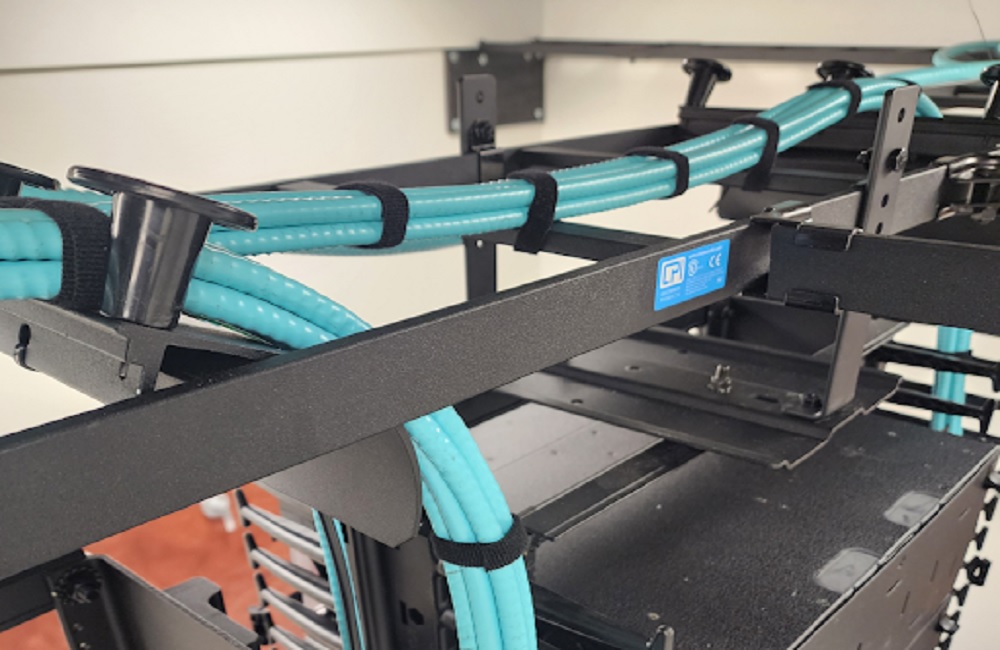
Modern businesses rely on their network infrastructure for nearly every aspect of daily operations. From connecting teams and managing cloud-based platforms to supporting security systems and connected devices, a dependable network setup is essential for maintaining smooth workflows.
As technology requirements continue to grow, many organizations are investing in faster, more reliable network solutions that can support increasing data demands and future business growth. A well-planned system helps improve performance while providing the flexibility to accommodate new technologies as operational needs change.
Before investing in a new network system, it is important to understand how fiber optic installation works, what the process involves, and how the right approach can support your business objectives.
Why Fiber Optic Installation Matters for Businesses
Business technology has changed significantly over the last decade. Applications that once required minimal bandwidth now demand faster, more reliable connections. Cloud software, remote collaboration, VoIP phone systems, security cameras, and connected devices all rely on a dependable network infrastructure.
Unlike traditional copper cabling, fiber optic cables transmit data using pulses of light. This allows higher bandwidth, lower latency, and more consistent performance across longer distances, making fiber a practical choice for modern commercial networks.
For businesses, these advantages translate into practical benefits, including:
- Faster file transfers
- More reliable video meetings
- Better cloud application performance
- Stable connections for security systems
- Reduced network bottlenecks
- Greater capacity for future expansion
As businesses continue adopting cloud-based platforms, connected workplace technologies, and data-intensive applications, dependable network infrastructure becomes increasingly important. A professionally installed fiber network helps support daily operations while providing the flexibility to accommodate future technology needs.
Businesses throughout Nashville are experiencing similar demands. Commercial offices, healthcare facilities, manufacturing operations, educational campuses, and warehouses all depend on reliable, high-speed connectivity to keep operations running efficiently and support continued growth.
What Is Fiber Optic Installation?
This process involves designing, placing, connecting, testing, and documenting a fiber network to support reliable communication across a commercial property. While many people assume the work only involves running cables through walls or ceilings, careful planning is essential to achieve dependable, long-term performance.
A professional project generally includes:
- Evaluating the existing network infrastructure
- Designing the cable layout
- Planning cable pathways
- Selecting the appropriate cable type
- Running and securing the cabling
- Completing splicing and termination
- Connecting networking equipment
- Performing certification and performance testing
- Documenting the completed system
Each stage plays an important role in the reliability of the finished network. Proper planning, quality workmanship, and thorough testing help reduce signal loss, minimize future maintenance issues, and support consistent performance for years to come.
Understanding Different Fiber Network Options
Not every business requires the same type of fiber network. The installation approach depends on your facility, equipment, and operational requirements.
Indoor Fiber Installation
Indoor fiber cabling connects workstations, telecommunications rooms, network closets, and server rooms throughout a building. It supports office computers, wireless access points, IP phones, surveillance cameras, and other connected devices.
Outdoor Fiber Installation
Outdoor installations connect separate buildings, parking structures, campuses, or utility connections. Because outdoor environments expose cables to weather, moisture, and physical impact, installers use protective materials designed for exterior conditions.
Underground Fiber Installation
Underground fiber protects cables from environmental damage while maintaining a clean appearance. Conduit systems help safeguard the cable against moisture, accidental excavation, and long-term wear.
Campus and Multi-Building Networks
Many businesses operate across multiple buildings. Fiber provides reliable communication between facilities while maintaining consistent network performance throughout the property.
The Installation Process
A successful installation follows a structured process that minimizes disruption while ensuring the finished network performs as expected. Every project is different, but most commercial installations include the following stages.
1. Site Assessment and Network Planning
Every successful project begins with understanding your business requirements.
During the initial assessment, technicians evaluate:
- Current network infrastructure
- Building layout
- Existing cable pathways
- Equipment room locations
- Bandwidth requirements
- Future expansion plans
- Safety and compliance requirements
Planning ahead helps determine the most efficient cable routes while reducing installation challenges later in the project.
For example, an office building may require fiber connections between telecommunications rooms on multiple floors. A warehouse, on the other hand, may need fiber linking inventory systems, wireless access points, surveillance cameras, and shipping stations throughout the facility.
Planning also considers future business growth. Installing additional fiber strands during the initial project often costs less than reopening walls or conduits years later.
2. Selecting the Right Fiber Cable
Not all fiber cables are the same. Choosing the proper cable depends on how the network will be used.
The two most common options include:
Single-Mode Fiber
Single-mode fiber is designed for long-distance communication and high-bandwidth applications. It is commonly used for:
- Large commercial buildings
- Campus environments
- Data centers
- Building-to-building connections
Multimode Fiber
Multimode fiber works well for shorter distances within commercial buildings.
Common applications include:
- Office networking
- Server rooms
- Equipment connections
- Telecommunications closets
An experienced installation provider recommends the appropriate cable type based on your facility rather than applying a one-size-fits-all solution.
3. Installing the Fiber Cables
After planning is complete, technicians begin installing the cables according to the approved design.
Installation methods may include:
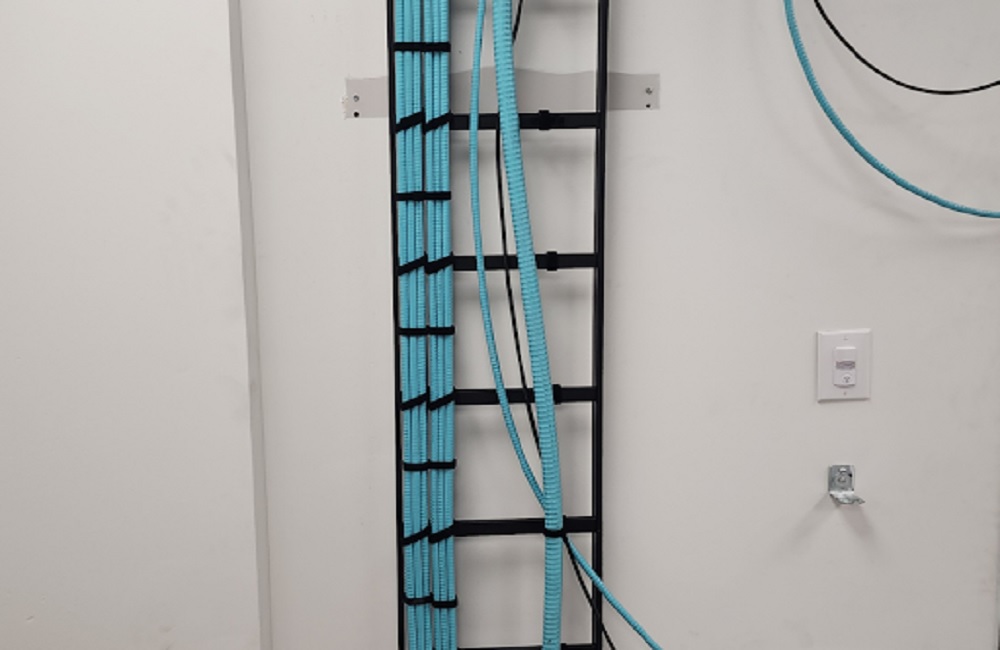
- Ceiling cable trays
- Conduit systems
- Raised flooring
- Underground conduit
- Exterior pathways
- Wall-mounted raceways
Fiber optic cable requires careful handling throughout installation.
Unlike copper wiring, excessive pulling force or sharp bends can affect cable performance. Professional installers follow manufacturer specifications to protect the integrity of the cable during installation.
Attention to detail during this stage helps prevent unnecessary maintenance issues after the network becomes operational.
4. Fiber Splicing and Termination
Once cables are in place, technicians complete the connections that allow data to travel through the network.
This stage includes:
- Fusion splicing
- Mechanical splicing when appropriate
- Connector installation
- Patch panel termination
- Equipment connections
Proper splicing and termination are essential because poor workmanship can increase signal loss and reduce overall network reliability.
Experienced technicians use precision equipment to complete these tasks while following recognized industry standards.
5. Testing and Certification
Testing is one of the most important stages of a professional fiber network project. Every connection should be verified before the system is considered complete to ensure it meets performance expectations.
- Optical loss testing
- Continuity testing
- Connector inspection
- OTDR testing
- Performance verification
These tests confirm that each fiber connection performs within acceptable standards.
Documentation generated during testing also provides valuable records for future maintenance, troubleshooting, and network upgrades.
Benefits of Professional Installation
Many businesses initially focus on internet speed when considering fiber. While speed is certainly important, professionally installed fiber provides several additional advantages.
Reliable Business Connectivity
Business operations often depend on continuous network availability.
Fiber supports reliable communication between employees, customers, cloud applications, and business systems while reducing interruptions caused by network congestion.
For organizations that rely on real-time communication, consistent connectivity can help improve day-to-day productivity.
Better Support for High-Bandwidth Applications
Today’s workplaces use more bandwidth than ever before.
Examples include:
- Video conferencing
- Cloud-based software
- Remote collaboration tools
- Security camera systems
- Voice over IP (VoIP)
- Artificial intelligence applications
- Building automation systems
Fiber provides the bandwidth needed to support these technologies without placing unnecessary strain on the network.
Long-Term Value
Replacing network infrastructure is a significant investment.
Choosing fiber allows businesses to build a network capable of supporting future technology rather than replacing outdated systems every few years.
Although every organization grows differently, fiber infrastructure generally provides greater flexibility for future expansion.
Improved Reliability
Fiber optic cables are resistant to electromagnetic interference, making them a dependable option in environments where electrical equipment operates continuously.
Manufacturing facilities, healthcare environments, and industrial buildings often benefit from this additional reliability.
Better Security
Data security remains a priority for every business.
Because fiber transmits information using light rather than electrical signals, it is more difficult to intercept than traditional copper cabling.
While no technology eliminates cybersecurity risks, fiber provides another layer of protection for organizations that manage sensitive information.
Fiber Optic Installation for Nashville Businesses
Nashville continues to experience commercial growth across healthcare, technology, education, manufacturing, and professional services.
As businesses adopt more connected technologies, dependable network infrastructure becomes increasingly important.
Commercial properties throughout Nashville often require fiber installations for:
- Office buildings
- Healthcare facilities
- Schools
- Distribution centers
- Hotels
- Manufacturing plants
- Mixed-use developments
Working with a local provider offers several advantages.
Local installers understand regional construction practices, commercial building requirements, permitting considerations, and scheduling needs.
If you’ve searched for fiber optic installation near me, choosing a company familiar with Nashville businesses can simplify communication and improve project coordination from planning through completion.
How to Choose the Right Installation Company
Not every contractor specializes in commercial fiber infrastructure.
When comparing providers, consider several important factors.
Commercial Experience
Commercial buildings have different requirements than residential properties.
Choose an installer familiar with business environments, structured cabling systems, and commercial networking standards.
Technical Knowledge
Professional installers should understand:
- Fiber network design
- Cable routing
- Splicing
- Termination
- Testing procedures
- Industry best practices
Quality Testing
Ask whether every installed fiber connection will be tested and documented before project completion.
Testing provides confidence that the network performs as designed.
Communication
A reliable installation partner explains:
- Project scope
- Timeline
- Expected disruptions
- Future expansion recommendations
- Testing documentation
Clear communication helps businesses plan around installation activities while reducing unexpected delays.
Common Fiber Optic Installation Mistakes to Avoid
Even the highest-quality fiber cable can underperform if it is installed incorrectly. Avoiding common mistakes helps protect your investment and reduces the likelihood of costly repairs or network disruptions.
Choosing Price Over Experience
Budget is an important consideration, but selecting the lowest quote without evaluating experience can lead to problems later. Commercial fiber installation requires specialized knowledge, precision equipment, and attention to detail.
Working with experienced professionals helps ensure the network is installed the first time correctly.
Failing to Plan for Future Growth
Many businesses only install enough fiber to meet their immediate needs. While this may reduce initial costs, it can make future expansions more complicated and expensive.
Planning for additional workstations, new departments, or emerging technologies during the initial installation often saves both time and money.
Ignoring Cable Management
A well-organized cabling system is easier to maintain, troubleshoot, and upgrade. Proper labeling, routing, and documentation help IT teams quickly identify connections when maintenance or changes are needed.
Poor cable management can increase downtime and make future network modifications more difficult.
Skipping Performance Testing
Testing confirms that every fiber connection performs according to industry standards. Without proper testing, hidden issues may not become apparent until employees begin using the network.
Professional testing provides peace of mind and creates a performance baseline for future maintenance.
Using the Wrong Cable Type
Selecting fiber based only on cost rather than application can limit network performance. Single-mode and multimode fiber each serve different purposes, so choosing the appropriate option during planning is essential.
What to Expect From a Trusted Installation Partner
Your network infrastructure is too important to leave to chance. Every project should be planned around your business goals, facility layout, and future technology requirements.
A dependable commercial contractor should provide comprehensive services, from initial planning and cable installation to testing and certification. Careful attention to quality, industry standards, and long-term performance helps ensure your network is built to support daily operations with confidence.
Whether your organization is moving into a new building, expanding operations, or replacing aging network cabling, choosing an experienced installation partner can help create a reliable foundation that supports your business for years to come.
Frequently Asked Questions
How does the process work?
The process begins with evaluating your network requirements, building layout, and infrastructure needs. After planning the cable routes, technicians install the necessary cabling, complete connections, perform testing, and verify that the system operates properly.
How long does the installation process take?
The timeline depends on several factors, including the size of the building, network complexity, cable distance, and whether the project involves a new construction site or an existing facility. Smaller office projects may take a few days, while larger commercial installations may require more time for planning and completion.
Is fiber cabling a good investment for businesses?
For businesses that depend on cloud applications, video conferencing, security systems, and large data transfers, fiber provides reliable connectivity, increased bandwidth capacity, and long-term flexibility. It also helps support future technology needs without requiring frequent infrastructure replacements.
Can fiber cabling be installed in existing buildings?
Yes. Fiber cabling can be installed in many existing commercial properties using available pathways such as ceilings, conduits, wall spaces, and raised flooring systems. A qualified contractor can evaluate the building and recommend the most suitable approach.
What should businesses consider before upgrading their network?
Businesses should review their current bandwidth requirements, future growth plans, equipment locations, building layout, and overall technology goals. Working with an experienced commercial contractor also helps ensure the network is designed and installed according to the company’s needs.
How do you choose a provider when searching for local services?
Look for a provider with commercial project experience, strong technical knowledge, reliable testing procedures, and a clear communication process. A local team can also offer better familiarity with regional business requirements and provide more convenient support throughout the project.
Build a Reliable Business Network
Reliable connectivity starts with a well-designed network. Professional fiber optic installation provides the infrastructure needed to support cloud applications, communication systems, security technology, and the growing demands of modern business operations.
Whether you’re planning a new commercial facility or upgrading an existing network, working with an experienced installation partner helps ensure every stage of the project is completed correctly, from design and cable installation to testing and documentation.
If you’re searching for fiber optic installation near me in the Nashville area, Wiredoptics offers commercial fiber optic services tailored to your business needs. Contact the team today to discuss your project and build a network designed for dependable performance now and in the years ahead.