
What Is Data Cabling and Why Do Businesses Need It
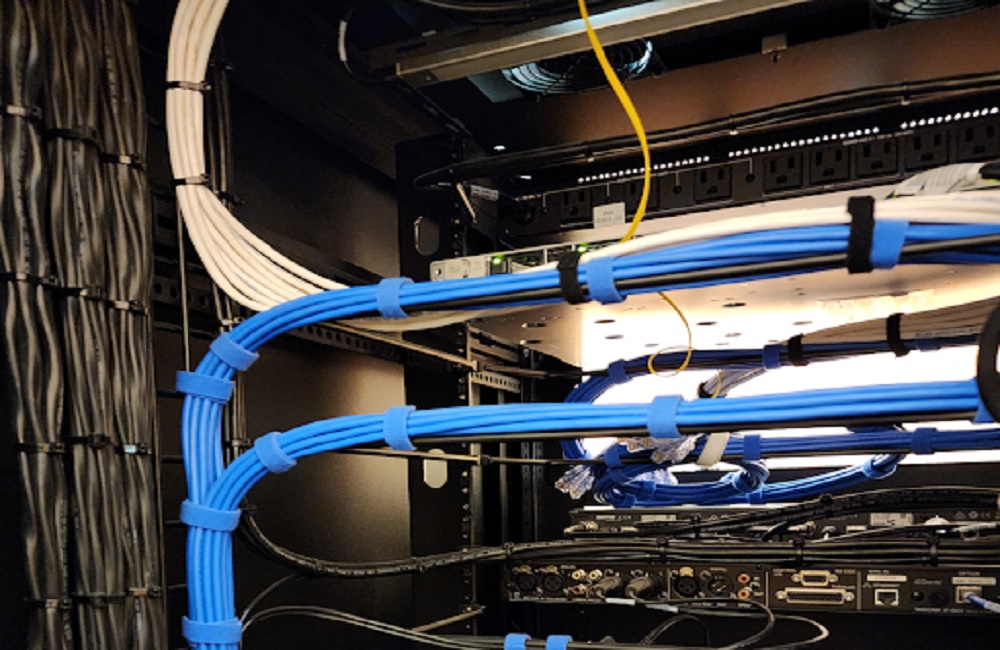
Reliable connectivity is the foundation of modern business operations. Data cabling provides the physical network infrastructure that connects computers, servers, phones, security systems, and wireless technology.
A properly designed network foundation helps businesses maintain stable communication, support essential applications, and prepare for growing technology needs. Understanding how this infrastructure works can help you make informed decisions when planning or upgrading your business network.
What Is Data Cabling?
Data cabling refers to the physical cables and infrastructure used to transmit information between devices within a network. These cables allow computers, servers, switches, routers, wireless access points, and other business technologies to communicate efficiently.
While many businesses rely on wireless connections, wired infrastructure remains an important part of a reliable network. Wireless systems depend on properly installed cabling to connect access points, transfer data between network devices, and maintain consistent performance.
A professional network infrastructure system typically includes:
- Ethernet cables
- Fiber optic cables
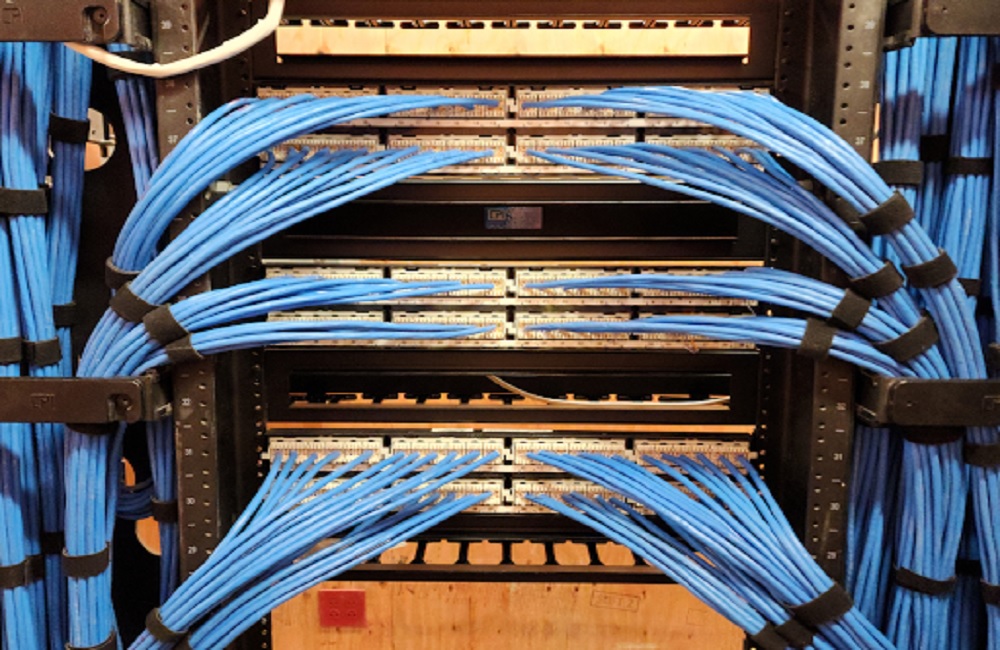
- Patch panels
- Network racks
- Data outlets
- Cable pathways
- Network switches
Together, these components create an organized system that supports everyday business activities.
For example, when an employee joins a video meeting, accesses cloud applications, sends files, or uses a business phone system, the network infrastructure behind those actions relies on properly installed cabling.
Why Do Businesses Need Data Cabling?
Businesses today depend on technology for communication, customer service, operations, and productivity. A weak network foundation can lead to slow connections, downtime, and difficulty supporting new technology.
A professionally designed network infrastructure helps businesses maintain reliable connectivity while preparing their systems for changing technology needs.
Reliable Network Connections
One of the biggest reasons businesses invest in structured network infrastructure is reliability.
Wireless connections can be affected by distance, interference, building materials, and the number of connected devices. Wired connections provide a stable communication path between devices.
This is especially important for businesses that depend on:
- Cloud-based applications
- Video conferencing
- Customer management platforms
- File sharing systems
- Digital communication tools
A properly installed cabling system helps employees access the tools they need without unnecessary interruptions.
Better Support for Business Technology
Modern businesses use more technology than computers alone. A reliable network setup supports many connected systems, including:
- VoIP phone systems
- Security cameras
- Wireless access points
- Access control systems
- Servers
- Smart office devices
- Building management systems
As businesses add more connected technology, having dependable infrastructure becomes increasingly important.
Improved Network Organization
Poorly organized cables can make troubleshooting difficult and create unnecessary maintenance challenges.
Structured cabling systems provide a cleaner approach by organizing connections through designated pathways and equipment areas.
A structured system makes it easier for technicians to:
- Identify network connections
- Perform repairs
- Add new devices
- Maintain documentation
- Upgrade infrastructure
This organization is especially valuable for offices, commercial buildings, healthcare facilities, and growing companies.
Common Types of Data Cabling
Choosing the right cable type depends on your business requirements, network speed needs, building layout, and future technology plans.
Cat5e Cabling
Cat5e is a common Ethernet cable option used for standard business networking needs.
It can support:
- Employee computers
- Printers
- Basic network connections
- Office communication systems
Many small and medium-sized businesses use Cat5e for everyday networking applications.
Cat6 Cabling
Cat6 provides improved performance compared with older cable standards.
It is commonly used for:
- Modern office networks
- Higher-speed Ethernet connections
- Wireless access points
- Business workstations
Many companies choose Cat6 because it provides a balance between performance and long-term usability.
Cat6a Cabling
Cat6a is designed for businesses requiring stronger network performance and higher bandwidth capacity.
It is often used in:
- Large offices
- Data-heavy environments
- Commercial facilities
- Technology-focused workplaces
Fiber Optic Cabling
Fiber optic cabling uses light signals to transmit data, allowing high-speed communication over longer distances.
Fiber optic solutions are commonly used for:
- Data centers
- Server connections
- Large commercial buildings
- High-bandwidth applications
Businesses that handle large amounts of information often consider fiber optic cabling because of its speed and distance capabilities.
Structured Cabling vs Traditional Network Cabling
Structured cabling is a planned approach to designing and installing network infrastructure.
Instead of adding cables randomly as technology needs change, structured cabling creates an organized system that supports current and future devices.
A structured cabling system may include:
- Horizontal cabling
- Backbone cabling
- Patch panels
- Equipment rooms
- Telecommunications rooms
- Cable management systems
The main advantage is easier management.
For example, if a Nashville business moves into a larger office and adds more employees, a structured cabling system makes it easier to connect additional workstations without rebuilding the entire network.
How Data Cabling Supports Modern Business Technology
Technology trends continue changing how companies operate. Reliable infrastructure helps businesses support newer systems without experiencing unnecessary connectivity problems.
Supporting WiFi 6E and WiFi 7 Networks
Many businesses are adopting faster wireless networks, but wireless technology still depends on wired connections.
Wireless access points require wired connections to communicate with the main network and deliver consistent performance across a workplace.
Without proper cabling, businesses may not receive the full performance benefits of newer wireless technology.
Supporting Cloud-Based Applications
Cloud platforms are now common across many industries.
Businesses use cloud systems for:
- Document management
- Customer records
- Accounting software
- Communication tools
- Collaboration platforms
Stable network connections help employees access these services consistently.
Supporting IoT and Smart Building Technology
Internet-connected devices are becoming more common in commercial environments.
Examples include:
- Smart security systems
- Environmental controls
- Digital signage
- Equipment monitoring tools
A reliable network foundation provides the connections these systems need to operate properly and support modern workplace requirements.
The Data Cabling Installation Process
Professional installation involves careful planning rather than simply running cables from one location to another.
A typical installation process includes:
1. Network Assessment
The process begins by understanding your business needs.
A technician reviews:
- Number of users
- Required devices
- Building layout
- Current infrastructure
- Future technology plans
2. Cabling Design and Planning
The next step involves planning cable routes, equipment locations, and connection points.
Proper planning helps prevent issues such as:
- Poor cable placement
- Limited expansion options
- Difficult maintenance
3. Cable Installation
During installation, technicians place cables according to industry standards and building requirements.
This includes:
- Routing cables properly
- Labeling connections
- Installing termination points
- Organizing network equipment
4. Testing and Documentation
After installation, connections should be tested to confirm performance.
Documentation helps future technicians understand the network layout and make future changes more efficiently.
Common Data Cabling Mistakes Businesses Should Avoid
Choosing the wrong approach can create problems later.
Installing Outdated Cabling
Older cable standards may not support newer business applications.
Businesses should consider current requirements and future technology needs before installation.
Poor Cable Management
Unorganized cables can make troubleshooting harder.
Proper labeling and organization improve maintenance and reduce confusion.
Ignoring Future Network Needs
A business may grow, add employees, or introduce new technology.
Planning only for current needs may create limitations later.
Hiring Without Proper Experience
Network infrastructure installation requires technical knowledge, proper equipment, and attention to industry standards.
Professional installation helps ensure your network infrastructure performs as expected.
Network Infrastructure Solutions for Nashville Businesses
Businesses in Nashville, Tennessee continue adopting technology solutions across industries such as healthcare, professional services, education, and commercial operations.
Whether you operate a small office or a larger commercial facility, dependable network infrastructure supports daily communication, connected systems, and essential business activities.
Located at 107 Platform Wy, Nashville, TN 37203, professional network infrastructure solutions are available to help businesses establish reliable connections designed around their operational requirements and technology needs.
For companies looking for a trusted local provider, working with a Nashville-based team can make communication, installation planning, and ongoing support more convenient. Local expertise also allows businesses to receive solutions that consider their building layout, technology goals, and long-term requirements.
Why Choose Professional Data Cabling Services?
A professional cabling provider helps ensure your network infrastructure is designed and installed correctly.
Benefits include:
- Proper cable selection
- Organized installation
- Better troubleshooting support
- Reliable network performance
- Support for future technology requirements
Your network infrastructure is an investment that affects daily operations. Professional installation helps protect that investment.
Frequently Asked Questions
What is data cabling used for?
This infrastructure connects devices within a network, including computers, servers, phones, security systems, and wireless access points. It allows information to move efficiently between connected devices.
Why is it important for businesses?
Businesses depend on reliable networks for communication, applications, and daily operations. A properly designed infrastructure provides the stable foundation needed for consistent connectivity and dependable performance.
What type of cabling is best for businesses?
The right option depends on your business requirements. Cat6, Cat6a, and fiber optic options are commonly used based on network speed, distance, bandwidth needs, and technology requirements.
Is fiber optic cabling better than Ethernet cabling?
Fiber optic cabling provides faster speeds over longer distances, while Ethernet cabling remains a practical choice for many office environments. The best solution depends on your network requirements.
How long does a structured cabling system last?
A properly installed structured cabling system can support business needs for many years. Regular assessments help ensure the infrastructure continues meeting changing technology requirements.
Your Partner for Business Connectivity
Data cabling plays an important role in keeping businesses connected. From computers and cloud applications to security systems and wireless networks, reliable infrastructure supports the technology your company depends on every day.
Choosing the right cabling solution can improve network reliability, simplify maintenance, and prepare your business for future technology needs. When searching for data cabling near me, working with an experienced local provider can help ensure your network is properly planned and installed.
Wiredoptics provides professional data cabling services for businesses in Nashville and surrounding areas. Contact the team today to discuss your network requirements and build a dependable foundation for your business.